


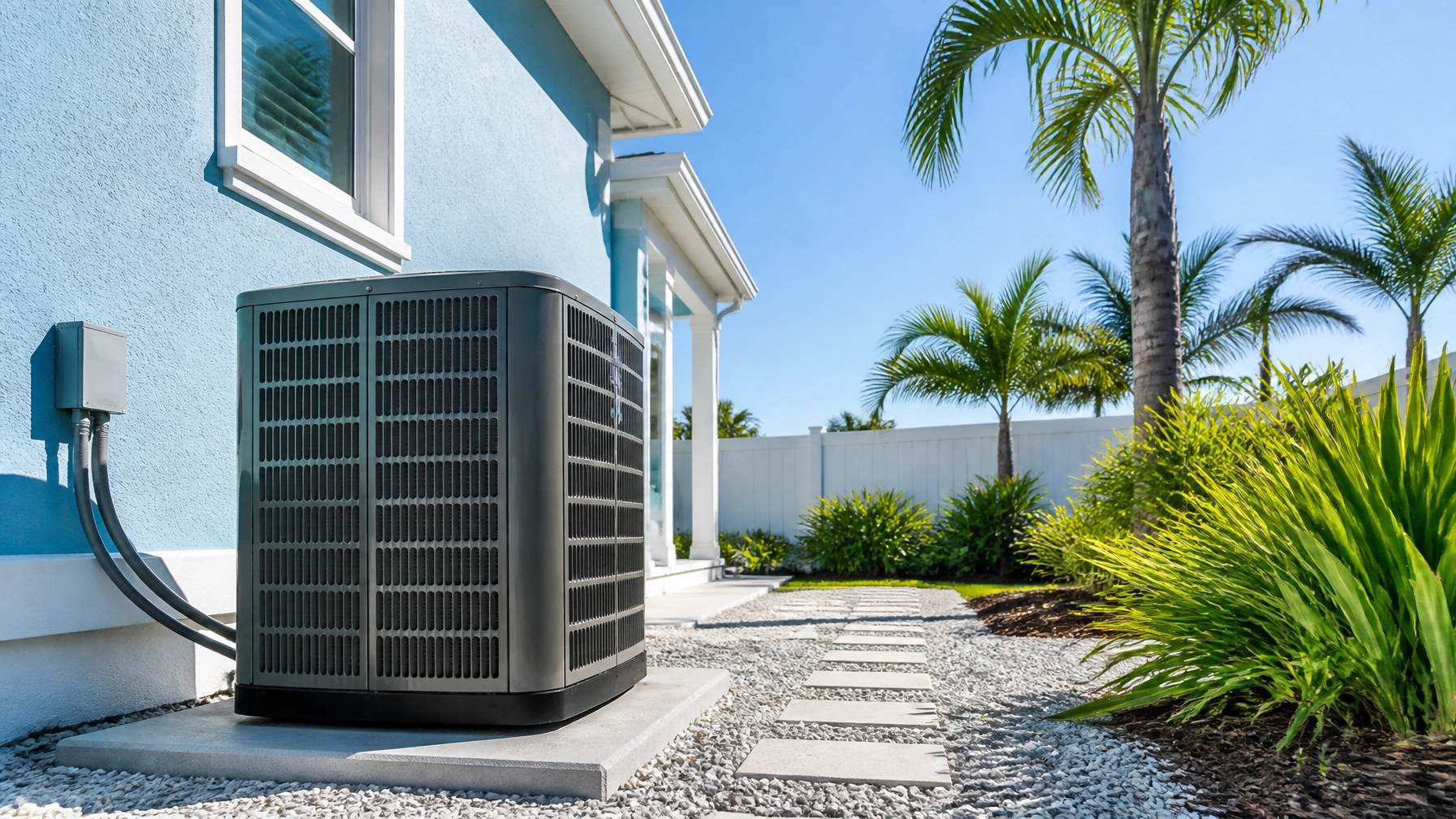
Living in Florida means your air conditioner isn’t just a luxury: it’s a survival tool. Our unique climate, defined by relentless humidity, salt-heavy air along the coasts, and frequent tropical storms, puts a level of stress on HVAC systems that homeowners in other states simply don’t experience. Because of this, standard maintenance advice found on national websites often falls short, leading to preventable breakdowns and shortened system lifespans.
At Florida HVAC Specialists, we’ve resolved over 12,000 issues across the state. We’ve seen firsthand how small oversights can turn into expensive disasters. Whether you’re a homeowner in Orlando, a property manager in Miami, or a builder in Tampa, avoiding these common hvac maintenance florida mistakes is the key to keeping your home cool and your energy bills manageable.
1. Following the “90-Day Filter” Myth
One of the most frequent errors we see is homeowners waiting three months to change their air filters. While many filter manufacturers claim their products last 90 days, the Florida environment says otherwise. High humidity and fine sand particles can clog a filter much faster than you’d expect.
When a filter is clogged, your system has to work twice as hard to pull air through it. This restricts airflow, causes the evaporator coil to freeze, and can eventually lead to a total system failure. In Florida, you should check your filter every 30 days. If you have pets or live near a construction site or the beach, you may need to replace it monthly to avoid needing an emergency ac repair.
2. Ignoring the Coastal “Salt Tax”
If you live within five miles of the Atlantic or Gulf Coast, your AC unit is paying a “salt tax.” Salt particles in the air are highly corrosive. They settle on your outdoor condenser coils, eating away at the metal and causing the fins to crumble. This drastically reduces the unit’s ability to release heat, forcing the compressor to run hotter and longer.
A common mistake is never rinsing the outdoor unit. While you shouldn’t use high pressure, a gentle rinse with a garden hose once a month can help clear away salt and sand buildup. However, for long-term protection, professional hvac maintenance florida is essential to apply anti-corrosion treatments that are specifically designed for our coastal environment.

3. The “If It Ain’t Broke, Don’t Fix It” Trap
Many Floridians wait until their vents are blowing warm air before calling for ac repair florida. By that time, the damage is often extensive and expensive. Proactive maintenance is about catching a failing capacitor or a small refrigerant leak repair before it burns out your compressor.
In Florida, your HVAC system runs almost year-round. Skipping an annual or bi-annual inspection is like driving your car for 20,000 miles without an oil change. Professional tune-ups ensure that your system remains code-compliant and efficient, helping you avoid the high ac replacement cost florida that comes with premature system death.
4. DIY Pressure Washing Disasters
We love a proactive homeowner, but taking a high-pressure power washer to your outdoor AC unit is a recipe for disaster. The aluminum fins on your condenser coils are delicate. High-pressure water can easily bend or “flat-line” these fins, completely blocking the airflow required for the unit to function.
Once these fins are damaged beyond a certain point, the unit can no longer shed heat properly, leading to a “failed compressor” diagnosis. If you’ve accidentally damaged your unit’s fins, you might find yourself searching for “air conditioning repair near me” sooner than you planned. It’s always safer to let a licensed professional handle deep coil cleaning.
5. Neglecting the Condensate Drain Line
Florida’s high humidity means your AC unit pulls gallons of water out of the air every day. This water travels through a condensate drain line. Over time, algae, mold, and “slime” can grow inside this line, eventually causing a clog.
When the line clogs, the water backs up. If you don’t have a working float switch (a safety device that shuts the system off), that water will overflow into your attic, ceiling, or floor. Regularly clearing your drain line with a vacuum or a vinegar flush is a great maintenance step, but ensuring the safety switches are operational is a core part of our professional service.

6. Overlooking Ductwork Integrity
You can have the most efficient ac installation florida in the world, but if your ducts are leaking, you’re literally throwing money into your attic. Florida attics can reach temperatures of 150°F. If there is a small tear in your ductwork, your system will suck in that hot, humid, dusty air and blow it directly into your living space.
This not only makes your home feel “sticky” but also introduces allergens and moisture that can lead to mold growth. If you notice a sudden spike in your energy bill or uneven cooling between rooms, it might be time for ductwork repair.
7. Mismanaging Humidity and Thermostat Settings
A common mistake is setting the thermostat fan to “ON” rather than “AUTO.” In the Florida climate, the “ON” setting keeps the fan running even after the cooling cycle ends. This blows the moisture that was just removed (and is still sitting on the evaporator coil) right back into your home.
Additionally, many people don’t realize that their AC is also their primary dehumidifier. If your system is oversized: a common issue with poor ac installation florida: it will cool the house too fast without running long enough to remove the humidity. This results in a “cold and clammy” home.
8. Forgetting Surge Protection
Florida is the lightning capital of the United States. Power surges from frequent afternoon thunderstorms can fry the sensitive electronic control boards in modern HVAC systems and heat pumps. Many homeowners assume their home’s main breaker is enough, but a dedicated HVAC surge protector is a small investment that can save you from a multi-thousand-dollar repair. If you are considering a new heat pump installation florida, always ask about integrated surge protection.

Professional Solutions: Why Choose Florida HVAC Specialists?
Maintenance isn’t just about a checklist; it’s about expertise. Florida HVAC Specialists is a licensed and insured contractor with statewide coverage. We understand the specific codes and climate challenges of the Sunshine State.
Our technicians don’t just “look” at your unit; they perform a comprehensive inspection that includes:
- Checking refrigerant levels to catch a potential refrigerant leak repair early.
- Cleaning coils to ensure maximum efficiency.
- Inspecting electrical components to prevent unexpected breakdowns.
- Verifying that your system is code-compliant and running safely.
Whether you are a realtor preparing a home for sale, a property manager overseeing multiple units, or a homeowner looking for reliable service, we provide clear communication and a 24-hour response time to ensure you’re never left in the heat.
Conclusion: Stay Ahead of the Florida Heat
Your HVAC system is a complex machine operating in one of the most demanding environments on earth. By avoiding these common maintenance mistakes: changing your filters monthly, protecting against salt corrosion, and scheduling professional tune-ups: you can extend the life of your unit and save significantly on energy costs.
Don’t wait for a breakdown to realize your system needs attention. Regular hvac maintenance florida is the most cost-effective way to ensure your comfort and peace of mind.
Ready to ensure your system is Florida-ready? Florida HVAC Specialists is here to help with expert repairs, installations, and maintenance plans tailored to our local climate. We get the job done right the first time.
Disclaimer: HVAC requirements and permits vary by Florida jurisdiction. Always consult your local authorities or a licensed Florida HVAC professional before performing major repairs or installations.