


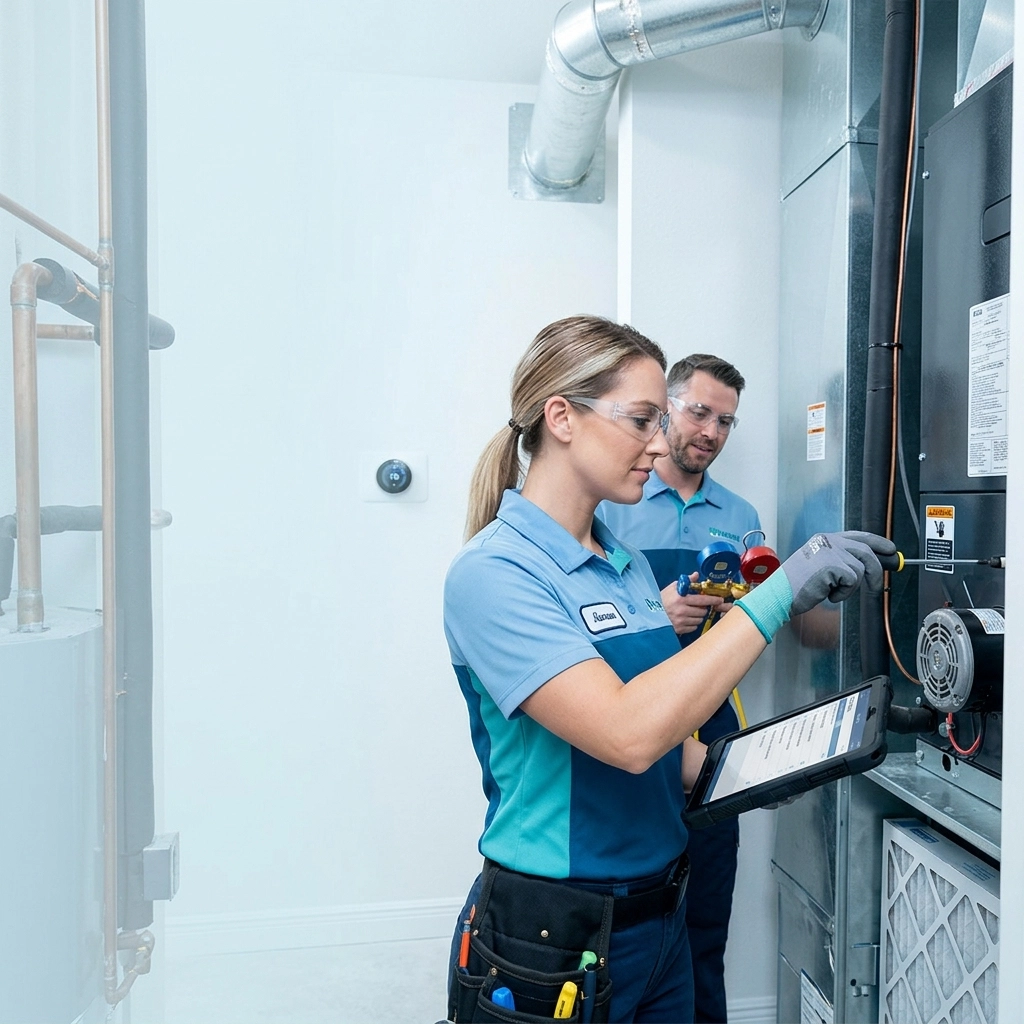
Living in the Sunshine State means your air conditioner isn't just a luxury: it’s a survival tool. From the humid coastal breezes of Miami to the sweltering inland heat of Orlando, Florida’s climate puts more strain on HVAC systems than almost anywhere else in the country. Unfortunately, many homeowners treat their AC like a "set it and forget it" appliance. This hands-off approach is exactly why utility bills suddenly spike and systems die years before they should.
When you neglect proper hvac maintenance florida, you aren’t just risking a warm house; you’re practically inviting high repair costs and premature system failure. Most of the "emergency" calls we receive at Florida HVAC Specialists could have been prevented with simple, proactive steps. If you’ve noticed your electric bill creeping up or your vents blowing lukewarm air, you’re likely making one of these seven common mistakes.
Here is how to identify these pitfalls and fix them before you’re stuck searching for emergency ac repair in the middle of a July heatwave.
1. Waiting Until the System Breaks to Call a Pro
The biggest mistake Florida homeowners make is treating HVAC care as a reactive task rather than a proactive one. In a climate where your unit runs nearly 300 days a year, waiting for a total breakdown is a recipe for disaster.
By the time you need hvac repair florida, the damage is often extensive. Components like the compressor or the evaporator coil have already been straining for months, driving up your energy consumption. Regular tune-ups are designed to catch small issues: like a worn capacitor or a slightly low refrigerant level: before they turn into a $2,000 headache.
The Fix: Schedule a professional maintenance visit at least twice a year. If you aren't sure if it's worth the investment, check out our guide on does hvac maintenance really matter in Florida’s brutal climate.
2. Using the Wrong Air Filters (or Not Changing Them Enough)
We see it all the time: a homeowner buys the most expensive, high-MERV "hospital grade" filter thinking they are doing their family a favor. In reality, these thick filters can actually restrict airflow in older systems, forcing the motor to work twice as hard to pull air through the pleats. This "suffocates" the system, leading to frozen coils and sky-high bills.
Conversely, neglecting to change the filter at all leads to dust buildup on the internal components. In Florida’s humidity, that dust turns into a sticky sludge that provides a breeding ground for mold.

The Fix: Check your filter every 30 days. In high-use months, replace it monthly. Stick to the MERV rating recommended by your manufacturer: usually between MERV 8 and 11 for residential homes: to balance air quality with system performance.
3. Ignoring the Condensate Drain Line
In Florida, your AC acts as a giant dehumidifier. As it pulls moisture from the air, that water has to go somewhere. It flows into a drain pan and out through a PVC pipe called the condensate line. Because our air is so warm and moist, algae and "slime" grow incredibly fast inside these pipes.
When that line clogs, the water backs up. If you're lucky, your safety switch trips and shuts down the unit. If you're unlucky (or don't have a switch), that water overflows into your ceiling or flooring, leading to expensive mold remediation.
The Fix: Every three months, pour a half-cup of distilled white vinegar down the drain line to kill algae growth. If your system is already backing up, you may need a professional ac repair florida technician to vacuum the line clear.
4. Closing Vents in Unused Rooms
It sounds logical: "I'm not using the guest bedroom, so I'll close the vent to save money." This is a myth that actually costs you more. Your HVAC system is sized specifically for the square footage of your entire home. When you close vents, you increase the "static pressure" inside your ductwork.
This pressure forces air to leak out of small gaps in the ducts and puts immense strain on the blower motor. Over time, this can lead to a premature motor burnout and significant ductwork repair needs.
The Fix: Keep at least 80% of your vents open at all times. If you have rooms that are consistently too hot or cold, it's better to have a professional evaluate your system's balance rather than trying to manually redirect air.
5. Neglecting the Outdoor Unit’s "Breathing Room"
Your outdoor condenser unit is responsible for releasing the heat collected from inside your home. If it’s crowded by overgrown hibiscus bushes, palm fronds, or stacked storage bins, it can't "breathe." When the heat has nowhere to go, it stays in the refrigerant loop, making the whole system less efficient.
In Florida, we also deal with salt air (if you're near the coast) and heavy pollen, both of which can coat the delicate fins of the condenser, acting like an insulating blanket that traps heat.

The Fix: Maintain a two-foot "clear zone" around your outdoor unit. Gently spray the fins with a garden hose (not a pressure washer!) once a month to remove salt, dirt, and debris. This simple bit of hvac maintenance florida can significantly lower your monthly cooling costs.
6. Overlooking Refrigerant Leaks
Many people think refrigerant is like gas in a car: that it just "runs out" and needs a "top-off." This is incorrect. Your HVAC is a closed system. If you are low on refrigerant, you have a leak.
Ignoring a small hiss or a slight drop in cooling power is a mistake. Low refrigerant levels cause the compressor to overheat and eventually fail. Furthermore, refrigerant is expensive, and environmental regulations in Florida make it imperative to handle leaks professionally.
The Fix: If you notice ice on your copper lines or if the air coming from your vents isn't cold, don't just ask for a "recharge." Ask for a refrigerant leak repair. Fixing the leak once is much cheaper than paying for expensive Freon every summer.
7. Skipping Ductwork Inspections
You could have the most efficient 20-SEER unit on the market, but if your ducts are leaking air into your attic, you’re literally burning money. In Florida, attics can reach 150 degrees. A small tear in your ductwork allows that blistering air to enter your system and makes your AC work overtime to cool it back down.
Leaky ducts are also a primary entry point for humidity and allergens. If you find yourself searching for air conditioning repair near me because the house feels "muggy," your ducts are often the culprit.
The Fix: Have a professional inspect your ductwork during your annual maintenance. Sealing leaks can save you up to 30% on your energy bills.

Is it Time for a Replacement?
Sometimes, no amount of maintenance can save an aging system. If your unit is more than 10-12 years old and requires frequent repairs, the ac replacement cost florida might actually be lower than the cumulative cost of repairs and high energy bills. Modern systems, especially a heat pump installation florida, offer incredible efficiency that pays for itself over time.
Before you drop thousands on a new unit, make sure you understand the ac installation florida process and local permit requirements to ensure your warranty remains valid.
Summary Checklist for Florida Homeowners
| Task | Frequency | Benefit |
|---|---|---|
| Change Air Filter | Monthly | Better airflow & lower bills |
| Clear Outdoor Debris | Monthly | Prevents compressor overheating |
| Vinegar in Drain Line | Every 3 Months | Prevents water damage & mold |
| Professional Tune-up | Bi-annually | Extends system life by 3-5 years |
| Ductwork Inspection | Annually | Stops energy loss in the attic |
Common Questions About Florida HVAC Maintenance
How often should I really get maintenance done in Florida?
Because our units run almost year-round, we recommend a professional check-up twice a year: once in the spring before the brutal summer hits, and once in the fall to ensure your heating elements or heat pump are ready for the occasional cold snap.
Why is my electric bill so high even though the AC is new?
New systems must be installed correctly and sized for your home. If the unit is too large, it will "short cycle," which uses massive amounts of electricity and fails to remove humidity. If it's too small, it will run forever. Check our guide on 10 things you should know about AC installation for more insight.
Can I do the maintenance myself?
You can handle the filters, the drain line vinegar flush, and the outdoor debris. However, checking refrigerant pressures, electrical connections, and motor amperages requires specialized tools and licensing. DIY-ing the technical stuff can void your manufacturer warranty.
Keep Your Cool with Florida HVAC Specialists
Maintenance isn't about spending money: it's about protecting your investment. A well-maintained system runs quieter, keeps your home drier, and keeps your bank account full. At Florida HVAC Specialists, we’ve seen every mistake in the book, and we’re here to help you avoid them.
Whether you need a routine check-up, a complex hvac repair florida, or a full system replacement, our team is ready to provide professional, code-compliant service across the state. Don't wait for your system to quit during a heatwave.
Ready to lower your energy bills?
Contact Florida HVAC Specialists today to schedule your precision tune-up and ensure your home stays a cool sanctuary all year long.
Note: HVAC requirements and permits vary by Florida jurisdiction. Always consult your local authorities or a licensed Florida HVAC professional before beginning major work.