


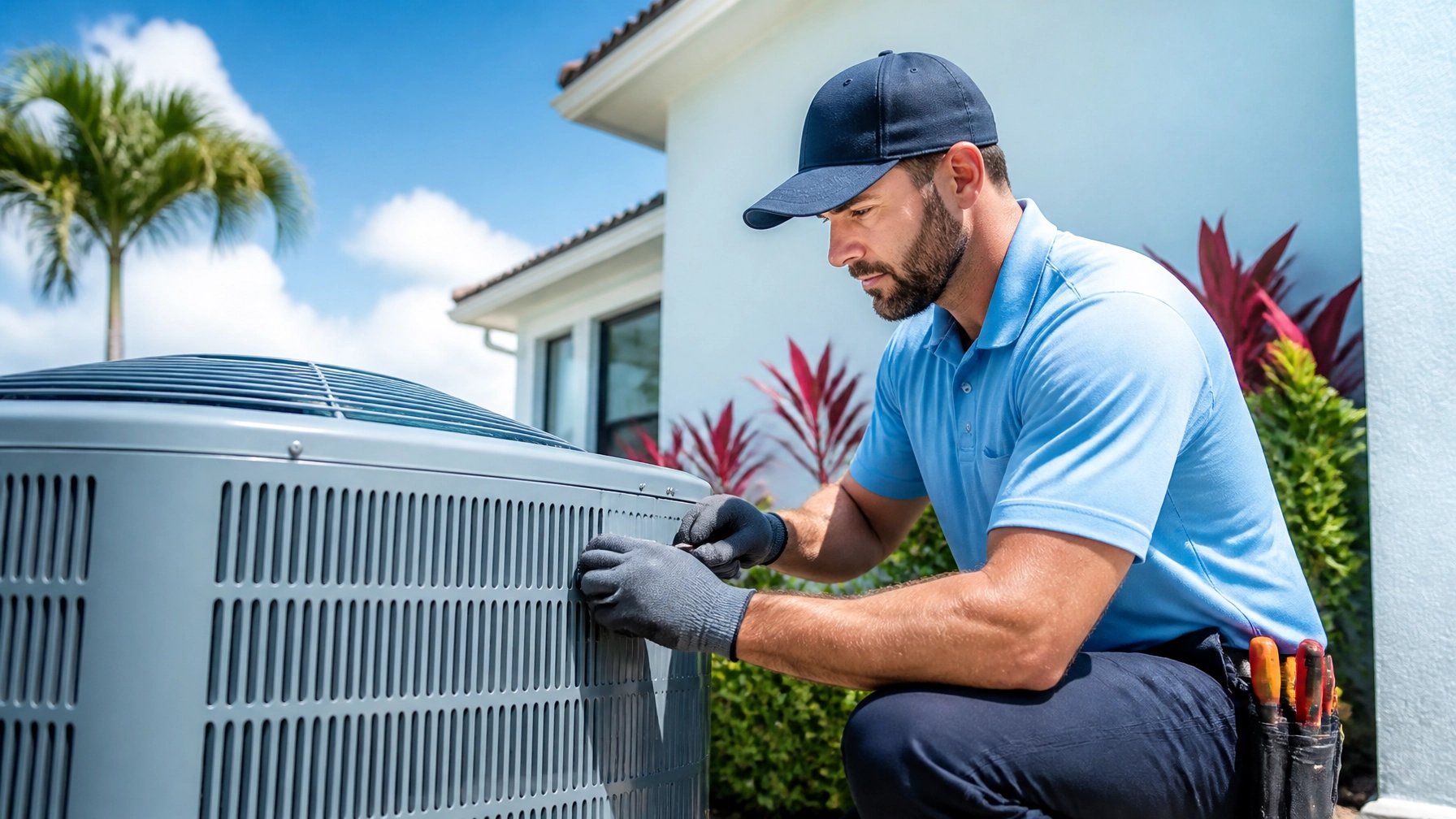
Living in Florida means your air conditioner isn't just a luxury: it’s a survival tool. From the humid coastal breezes of the Panhandle to the tropical heat of the Keys, our HVAC systems work harder than anywhere else in the country. When it comes time for a new unit, it’s tempting to look for the quickest or cheapest option. However, a "budget" installation often leads to a cycle of expensive air conditioning repair near me and premature system failure.
At Florida HVAC Specialists, we’ve resolved over 12,000 issues across the state. We’ve seen firsthand how a poor installation can ruin a high-quality unit. If you’re a homeowner, realtor, or property manager, avoiding these seven common mistakes will save you thousands in ac replacement cost florida and ensure your home stays cool when you need it most.
1. Skipping the Manual J Load Calculation ("Box Swapping")
The most common mistake we see is "box swapping." This happens when a contractor looks at your old 3-ton unit and simply installs a new 3-ton unit without checking if that’s actually what your home needs.
Florida homes change over time. Maybe you’ve added better insulation, replaced old windows with impact-resistant glass, or added a room. If your unit is too big, it will "short cycle," turning on and off rapidly. This prevents it from properly dehumidifying your home, leading to that "clammy" feeling and potential mold growth. If it’s too small, it will run 24/7, driving up your electric bill and leading to an emergency ac repair during the first heatwave.
How to fix it: Insist on a Manual J load calculation. A professional ac installation florida should always begin with an assessment of your home’s square footage, orientation, window types, and insulation levels.

2. Neglecting Humidity Control and Proper Drainage
In Florida, "cooling" is only half the battle; the other half is dehumidification. Many DIY or subpar installations fail to set up the condensate drainage system correctly. Because our air is so thick with moisture, an AC unit can produce gallons of water a day.
If the drain line isn’t pitched correctly or lacks a secondary float switch, that water will end up in your ceiling or flooring. Furthermore, failing to calibrate the blower speed to Florida’s humidity levels means the air moves too fast over the coils to actually pull moisture out of the air.
How to fix it: Ensure your installer includes a safety float switch and explains how the system is calibrated for moisture removal. Proper drainage is a core part of any expert hvac repair florida and installation.
3. Reusing Damaged or Undersized Ductwork
You can buy the most efficient, expensive AC unit on the market, but if you hook it up to old, leaky, or undersized ducts, you’re throwing money away. Florida’s attics can reach 150°F. If your ducts have holes, you’re essentially trying to cool the outdoors.
We often find that when people look into ductwork repair, they realize their existing ducts can't handle the airflow requirements of modern high-efficiency systems. This leads to "hot spots" in the house and puts immense strain on the new compressor.
How to fix it: Have your ducts inspected during the installation process. If they are leaking or restricted, fixing them now is much cheaper than doing it later.

4. Hiring Unlicensed Contractors to "Save Money"
It’s tempting to hire a "handyman" for a side job to avoid the standard ac replacement cost florida. In Florida, this is a recipe for disaster. Licensed contractors are required to follow the Florida Building Code, pull permits, and carry insurance.
Without a permit, your homeowner's insurance may refuse to cover a claim related to the unit (like a fire or leak). Furthermore, most manufacturers will void your warranty if the system isn’t installed by a licensed professional. If you run into a refrigerant leak repair issue six months later, an unlicensed worker might be nowhere to be found.
How to fix it: Always verify the license. Florida HVAC Specialists is a licensed and insured contractor serving the entire state. We handle the local permits so you don't have to worry about code compliance.
5. Poor Outdoor Unit Placement (Flood and Hurricane Risks)
Florida’s geography matters. If you live in a coastal area or a designated flood zone, your outdoor condenser unit cannot simply sit on a plastic pad on the ground. The Florida Building Code and FEMA regulations often require units to be elevated above the Base Flood Elevation (BFE).
Additionally, units need "hurricane strapping" to ensure they don't become projectiles during a storm. Placing a unit too close to a wall or under a heavy eave can also restrict airflow, leading to overheating and the need for ac repair florida.
How to fix it: Ensure your unit is installed on a code-compliant stand or platform and has at least 12–24 inches of clearance on all sides for proper airflow.

6. Ignoring New SEER2 Efficiency Standards
As of 2023, the industry moved to SEER2 ratings. This updated testing procedure more accurately reflects how units perform in the real world: especially in hot climates like ours. Some homeowners try to save money by finding "old stock" units that don't meet the current Florida energy standards.
While the upfront cost might be lower, the long-term energy bills will be significantly higher. Whether you're looking at a standard split system or a heat pump installation florida, choosing a high-efficiency model is the best way to offset the rising cost of electricity.
How to fix it: Ask your contractor about the SEER2 rating and potential energy rebates. Investing in efficiency pays for itself within a few years in Florida.
7. Skipping Post-Installation Maintenance
The biggest mistake you can make with a brand-new AC is "setting it and forgetting it." Florida’s salt air, high pollen, and constant operation mean that even a new system starts degrading the moment it's turned on.
Routine hvac maintenance florida is the only way to protect your investment. Small issues like a slightly low refrigerant charge or a dirty coil can snowball into a total system failure if left unchecked for a year.
How to fix it: Sign up for a preventive maintenance plan. A bi-annual check-up ensures that your system remains efficient and your manufacturer's warranty stays valid.

Conclusion: Get it Done Right the First Time
An AC installation is one of the most significant investments you'll make in your Florida property. By avoiding these common pitfalls: like "box swapping," skipping permits, or ignoring ductwork: you ensure years of reliable comfort.
At Florida HVAC Specialists, we pride ourselves on clear communication and technical expertise. Whether you're a realtor needing a fast turnaround for a closing, a contractor looking for a reliable partner, or a homeowner who just wants the job done right, we’re here to help. We offer 24-hour response times across the state, ensuring that even if an emergency strikes, you're never left in the heat.
Ready for a stress-free installation?
Contact Florida HVAC Specialists today for a consultation. Let’s make sure your new system is sized, permitted, and installed to survive the Florida summer.
Note: HVAC requirements and permits vary by Florida jurisdiction. Always consult your local authorities or a licensed Florida HVAC professional.