



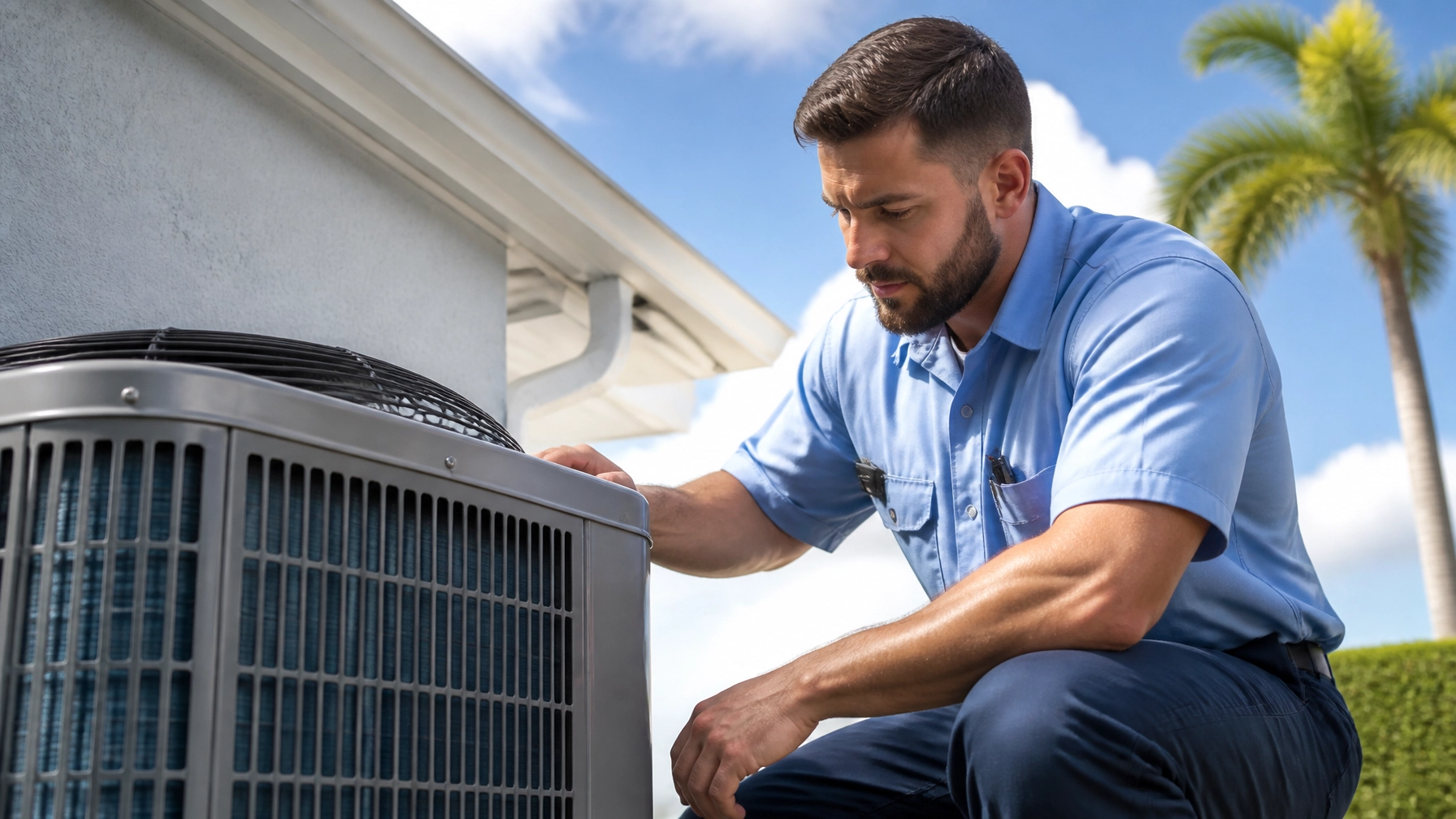
Florida is famous for its sunshine, but anyone who lives here knows that the afternoon thunderstorms and hurricane season are no joke. When lightning cracks and the wind howls, your home’s air conditioning system is on the front lines. It’s a frustrating: and often sweltering: experience to realize your AC has quit just when you need it most to pull the humidity out of the air after a downpour.
Whether it was a sudden surge or flying debris, storm damage can range from a simple flipped switch to a complete system failure. If you're searching for air conditioning repair near me because your house is heating up, you aren't alone. At Florida HVAC Specialists, we’ve seen it all across the state. Understanding why your system failed is the first step toward getting that cool air flowing again.
In this guide, we’ll break down the top 10 reasons your AC stops working after a storm and how you can get back to comfort quickly and safely.
1. Tripped Circuit Breakers
The most common reason for a post-storm outage is also the easiest to fix. Lightning strikes or power fluctuations often cause a power surge that trips the circuit breaker dedicated to your HVAC system. This is actually a safety feature designed to protect your unit’s sensitive electronics from frying.
How to fix it: Check your home's main electrical panel. Look for the switch labeled "AC" or "HVAC." If it’s in the "off" position or stuck in the middle, flip it all the way off and then back to "on." If it trips again immediately, do not force it: this indicates a deeper electrical short that requires professional hvac repair florida.
2. Blown Capacitors
Think of a capacitor as a small battery that gives your AC motor the "kick" it needs to start running. These components are extremely sensitive to the electrical spikes common during Florida lightning storms. If you hear a humming sound coming from your outdoor unit but the fan isn't spinning, a blown capacitor is the likely culprit.
How to fix it: Replacing a capacitor involves handling high-voltage components. For your safety, this should always be handled by a licensed technician during an emergency ac repair visit.
3. Thermostat Malfunctions
Your thermostat is the brain of your cooling system. A power surge can easily scramble its digital "memory" or burn out the internal wiring. If your screen is blank, flickering, or unresponsive after the clouds clear, the communication between your home and the AC unit has been severed.

How to fix it: First, check the batteries. If fresh batteries don't bring it back to life, the surge may have damaged the low-voltage transformer or the thermostat itself. In some cases, a simple reset can work, but persistent issues usually mean it’s time for a professional diagnosis.
4. Debris in the Condenser Fan
Florida winds can turn backyard mulch, leaves, and even small branches into projectiles. If debris gets lodged inside the outdoor condenser unit, it can physically block the fan blades from turning or, worse, bend the blades and damage the motor.

How to fix it: Turn off the power at the outdoor disconnect switch first. Visually inspect the top of the unit. If you see branches or leaves, you can gently remove them from the exterior. However, if debris has fallen into the unit, don't go digging in there with your hands. A technician can safely disassemble the cage to clear the obstruction.
5. Bent Condenser Coils (Fins)
The "fins" on your outdoor unit are thin aluminum slats that help dissipate heat. Hail or heavy wind-blown debris can flatten these fins, restricting airflow. When air can't move through the coils, the system has to work twice as hard, often leading to an automatic shutdown to prevent overheating.
How to fix it: You can buy a "fin comb" to carefully straighten them out, but be warned: they are very fragile. If the damage is widespread, it’s best to have a pro evaluate if the airflow is sufficient or if you need more intensive ac repair florida.
6. Electrical Shorts and Burnt Wiring
When heavy rain meets high-voltage electricity, bad things happen. If the seals on your electrical cabinets are worn, moisture can get inside and cause wires to arc or short out. This is especially common in older units where the insulation has become brittle.

How to fix it: This is a high-risk situation. If you smell a "fishy" or ozone-like burning scent, turn off the power at the breaker immediately. A technician will need to identify the shorted wire and ensure the system is safe to re-energize.
7. Refrigerant Leak Repair
You might wonder how a storm causes a leak. High winds can cause the outdoor unit to vibrate violently or even shift slightly on its pad. This movement can cause the copper refrigerant lines to rub against each other or the unit's frame, eventually creating a vibration leak.
How to fix it: If your AC is running but blowing warm air, you likely need a refrigerant leak repair. Never simply "top off" the refrigerant; the leak must be found and sealed according to EPA guidelines to ensure long-term cooling.
8. Flooded Components
If your yard experienced significant standing water, your AC’s internal components (like the compressor or the fan motor) may have been submerged. Even if the water has receded, moisture trapped inside electrical components can cause a catastrophic failure the moment you turn it back on.
How to fix it: Do not turn the unit on if it was flooded. Water and electricity are a deadly mix. A licensed pro needs to clean and dry the components and check for corrosion: especially if you live near the coast where salt water is involved.
9. Ductwork Intrusion
Heavy rains can sometimes find their way into your attic or crawlspace. If your ductwork is older or has gaps, water can enter the vents. This not only weighs down the ducts (causing them to sag or collapse) but also creates a breeding ground for mold in the Florida humidity.
How to fix it: If you notice a musty smell or see water dripping from your ceiling vents, you need a professional ductwork repair. We can inspect the integrity of your seals and ensure your air stays clean and dry.
10. Compressor Failure
The compressor is the heart of your AC system. A massive power surge from a nearby lightning strike can "slug" the compressor or cause an internal mechanical failure. This is often the most expensive part to fix and may lead you to ask about ac replacement cost florida.
How to fix it: A dead compressor usually means a major repair or a full ac installation florida. If your unit is over 10 years old, replacing it with a more efficient model might be the better financial move.
How to Get Your AC Fixed Fast
When the storm passes and the heat sets in, timing is everything. Here is the fastest way to handle a broken AC:
- Safety First: If you see standing water or smell burning, stay away from the unit and shut off the power at the breaker.
- Visual Check: Clear away any obvious branches or leaves from the outside of the unit.
- Reset the Breaker: Try resetting the breaker once. If it trips again, stop.
- Call the Experts: Contact a 24-hour service provider. We offer statewide coverage in Florida and can often be there within the hour to diagnose the problem.

Preventing Future Storm Damage
While we can't stop the weather, we can prepare for it. Routine hvac maintenance florida is your best defense. A technician can ensure your electrical connections are tight, your drain lines are clear (to prevent flooding from rain), and your unit is properly secured to its pad.
Additionally, consider a dedicated HVAC surge protector. For homeowners looking for maximum efficiency and resilience, a heat pump installation florida can provide both cooling and heating with modern, surge-resistant electronics.
Disclaimer: HVAC requirements and permits vary by Florida jurisdiction. Always consult your local authorities or a licensed Florida HVAC professional before attempting major repairs or replacements.
Stay Cool with Florida HVAC Specialists
Don't let a summer storm ruin your comfort. Whether you need a quick capacitor swap or a full system replacement, our team is licensed, insured, and ready to help. We’ve resolved over 12,000 issues for Florida homeowners and businesses: getting the job done right the first time.
Need help now? Contact Florida HVAC Specialists for fast, reliable service that keeps your home cool, no matter what the weather brings.