



You're about to drop serious money on a new AC system. In Florida's relentless heat, that's not just an expense: it's a necessity. But before you sign a contract, you need to know what actually drives that price tag. From ductwork surprises to hidden permit fees, understanding these ten factors will help you budget accurately and avoid costly mistakes.
1. Your Location in Florida Changes the Price Tag
AC installation costs vary significantly across the state. In Orlando, most homeowners pay around $5,300 for a complete system. Tampa residents typically spend $5,500 to $9,000 for central AC installation. These price differences reflect local labor rates, permit requirements, and market conditions.
Miami-Dade, Broward, and Palm Beach counties tend toward the higher end due to stricter building codes and higher living costs. Rural counties in North Florida often see lower installation costs. When budgeting, check pricing specific to your area: not just statewide averages.
2. System Size Isn't One-Size-Fits-All
Air conditioner capacity is measured in tons or BTUs. A 1.5-ton unit (18,000 BTUs) costs between $1,300 and $4,000. A 5-ton unit (60,000 BTUs) runs $2,800 to $6,800. That's a massive price spread based solely on size.
Your home's square footage, ceiling height, insulation quality, and window exposure determine the right size. An HVAC contractor should perform a load calculation before recommending a system. Oversized units cycle on and off too frequently, reducing efficiency and comfort. Undersized units run constantly and never cool properly.
Most Florida homes need between 2.5 and 5 tons of cooling capacity. A qualified technician will assess your specific needs rather than guessing based on square footage alone.
3. Efficiency Ratings Affect Both Upfront Cost and Long-Term Savings
SEER (Seasonal Energy Efficiency Ratio) and SEER2 ratings tell you how efficiently your system converts electricity into cooling. Basic central AC units with SEER ratings around 14-15 cost $2,500 to $4,500. High-efficiency systems (SEER 16+) run $7,000 to $10,000.
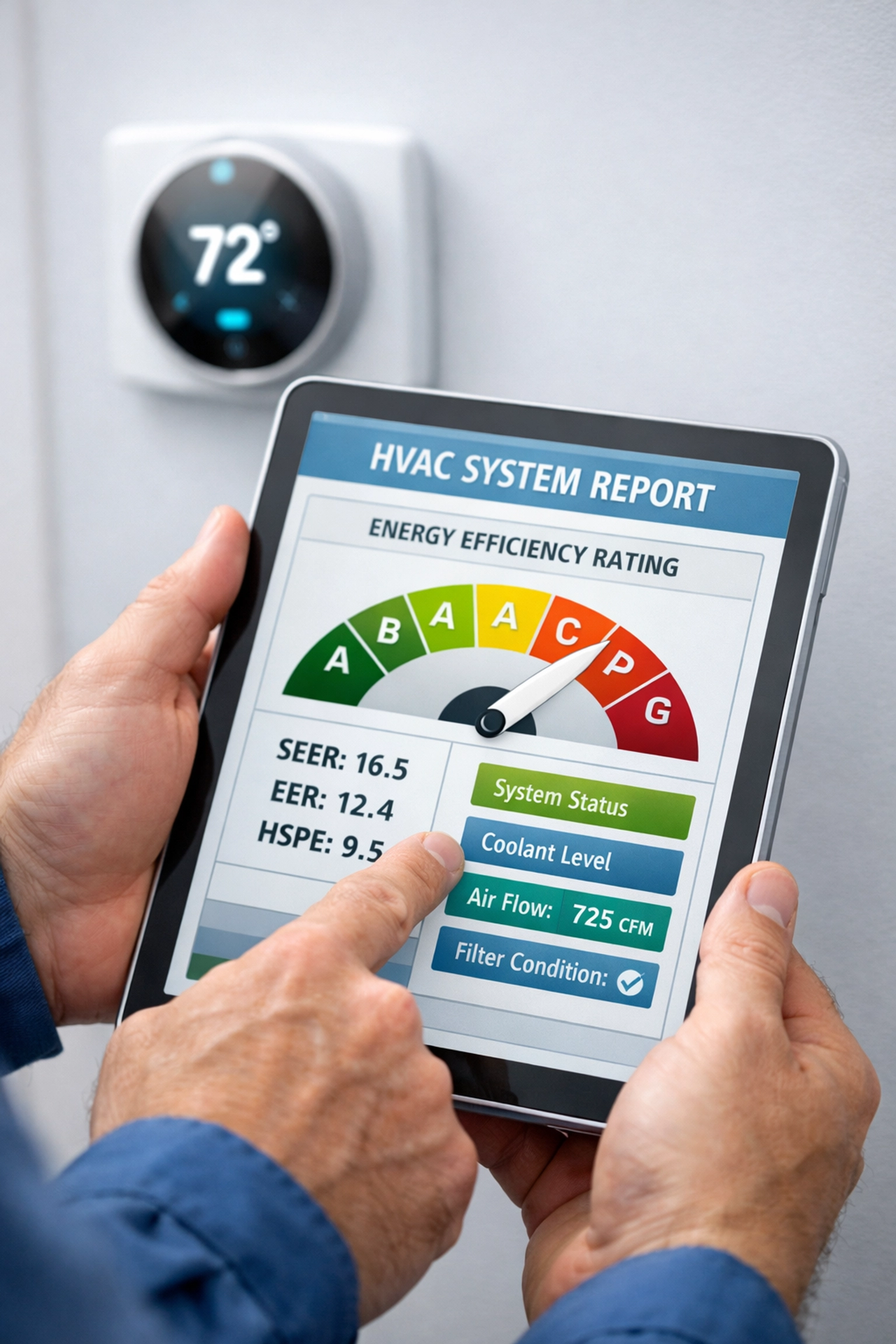
In Florida's climate, where AC runs 6-8 months per year (or year-round in South Florida), efficiency matters. A higher SEER rating means lower monthly electric bills. Over a 15-year lifespan, the energy savings can offset the higher upfront cost.
Florida's current minimum SEER requirements vary by system size. Larger systems face stricter standards. Your contractor should explain which efficiency rating makes financial sense for your usage patterns and budget.
4. Existing Ductwork Status Makes or Breaks Your Budget
If your home already has ductwork in good condition, basic central AC installation costs $4,000 to $7,000. Without existing ductwork, the same system costs $6,000 to $9,000: sometimes more.
New ductwork requires significant labor, materials, and modifications to your home's structure. Ducts must be properly sized, sealed, and insulated to meet Florida Building Code requirements. Poor ductwork design causes uneven cooling, high energy bills, and premature system failure.
Even if you have existing ducts, they may need repairs or modifications. Leaky ducts waste 20-30% of your cooling capacity. A thorough inspection before installation prevents surprises. If your ducts are inadequate, consider a ductless mini-split system instead of retrofitting ductwork.
5. Labor Costs Reflect Complexity and Access
Professional installation typically costs $500 to $2,500, with most homeowners paying around $1,500. That's just for labor: not equipment. Installation complexity drives the final number.
Factors that increase labor costs:
- Attic installations requiring crawl space work
- Rooftop unit placements
- Multi-story homes
- Tight clearance requirements
- Electrical panel upgrades needed for system compatibility
- Difficult condensate drain routing
Licensed Florida HVAC contractors charge more than unlicensed handymen: but they carry proper insurance, pull required permits, and ensure code-compliant installations. Cutting corners on installation usually leads to warranty issues, safety hazards, and premature system failure.
6. Sales Tax and Permit Fees Add Hidden Costs
Florida's sales tax applies to HVAC equipment and installation. In Orlando, the combined rate is 6.5%. On a $4,000 system, that's an extra $240. Miami-Dade County sits at 7%. These percentages add up quickly on premium systems.
Building permits are required for AC replacements in most Florida jurisdictions. Permit costs vary by county and municipality: typically $50 to $300. Your contractor should handle permit applications, but verify this is included in your quote.
Skipping permits to save money creates serious problems. Unpermitted work violates building codes, complicates home sales, may void warranties, and could result in fines. Always insist on proper permitting.
7. Installation Complexity Varies by Home Condition
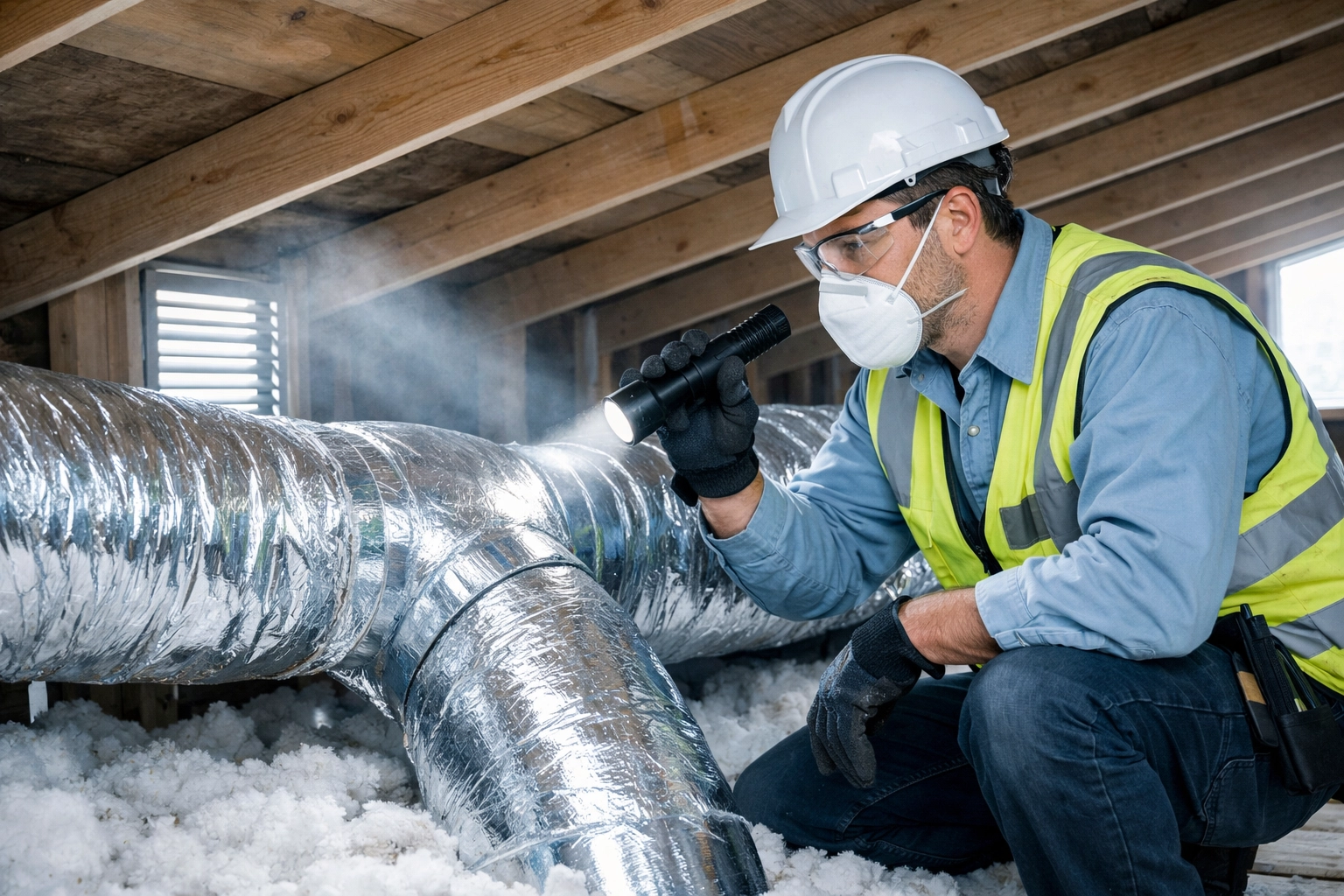
Two homes with identical square footage can have dramatically different installation costs. Factors that complicate installation:
- Inadequate electrical service requiring panel upgrades
- Old or corroded refrigerant line sets needing replacement
- Airflow restrictions from undersized ductwork
- Foundation issues affecting outdoor unit placement
- Homeowner association restrictions on equipment visibility
- Historic home preservation requirements
Your contractor should conduct a thorough pre-installation assessment. Homes built before 1990 often need electrical upgrades to handle modern AC systems. Homes with additions may have ductwork that doesn't properly serve all rooms.
Understanding these variables helps you budget realistically. A comprehensive quote should identify potential complications before work begins.
8. Rebates and Incentives Can Lower Your Net Cost
Florida utility companies offer rebates for high-efficiency AC installations. Orlando Utilities Commission customers installing heat pumps qualify for rebates from $45 to $1,150, depending on unit size and efficiency rating.
Duke Energy, FPL, and TECO also provide rebate programs. Requirements typically include:
- Minimum SEER ratings (usually 15-16+)
- Proper load calculations
- Installation by licensed contractors
- Proof of permit and final inspection
Check with your utility provider before purchasing. Some rebates require pre-approval. Others apply automatically after installation verification. These incentives can offset 5-15% of your total installation cost.
Federal tax credits for energy-efficient HVAC systems may also apply. Your contractor should help identify available incentives specific to your location and chosen system.
9. Florida's Climate Delivers Strong Return on Investment
AC replacement in Florida typically returns 30% of your investment at resale. In hot climates, new AC systems can boost home values by 5-7%. That's higher than most other regions where AC is considered less critical.
Real estate agents in Florida report that home buyers prioritize AC condition more than any other mechanical system. A new, high-efficiency system becomes a major selling point. Older systems (10+ years) often trigger buyer requests for price reductions or replacement before closing.
Beyond resale value, consider comfort and reliability. Florida's heat and humidity put extreme stress on AC systems. A new installation provides peace of mind during summer months when system failure isn't just uncomfortable: it's potentially dangerous.
Regular maintenance after installation protects your investment. Annual service extends system life and maintains efficiency.
10. System Type Choice Significantly Impacts Final Cost
Central air conditioning ($2,500-$4,500 for equipment) remains most common in Florida. It works well in homes with existing ductwork and provides whole-home cooling through a single system.
Ductless mini-split systems cost $3,200 to $14,500 depending on the number of indoor units. They're ideal for:
- Homes without existing ductwork
- Room additions and converted garages
- Homes with inadequate duct systems
- Properties where ductwork installation is impractical
Heat pumps provide both cooling and heating, making them cost-effective in Central and North Florida where occasional heating is needed. They typically cost 10-15% more than AC-only systems but eliminate the need for separate heating equipment.
Window units and portable ACs work for single rooms but don't provide whole-home solutions. They're significantly cheaper ($150-$800 per unit) but lack the efficiency and convenience of central or ductless systems.
Getting Your AC Installation Right the First Time
AC installation in Florida requires careful planning, proper sizing, code compliance, and professional installation. The $5,000+ you're about to spend deserves more than a quick estimate and rushed installation.
Work with licensed contractors who understand Florida's unique climate challenges, building codes, and permit requirements. Get multiple quotes that break down equipment, labor, permits, and potential complications. Verify that contractors pull proper permits and provide warranty documentation.
Florida HVAC Specialists serves homeowners throughout the state with expert AC installations that meet all local codes and manufacturer requirements. Our licensed technicians help you choose the right system size and efficiency rating for your specific home and budget. Contact us for a detailed assessment and transparent pricing on your AC installation project.
Your comfort depends on getting this decision right. Understanding these ten factors helps you budget accurately, ask informed questions, and avoid costly mistakes that compromise your system's performance and longevity.