


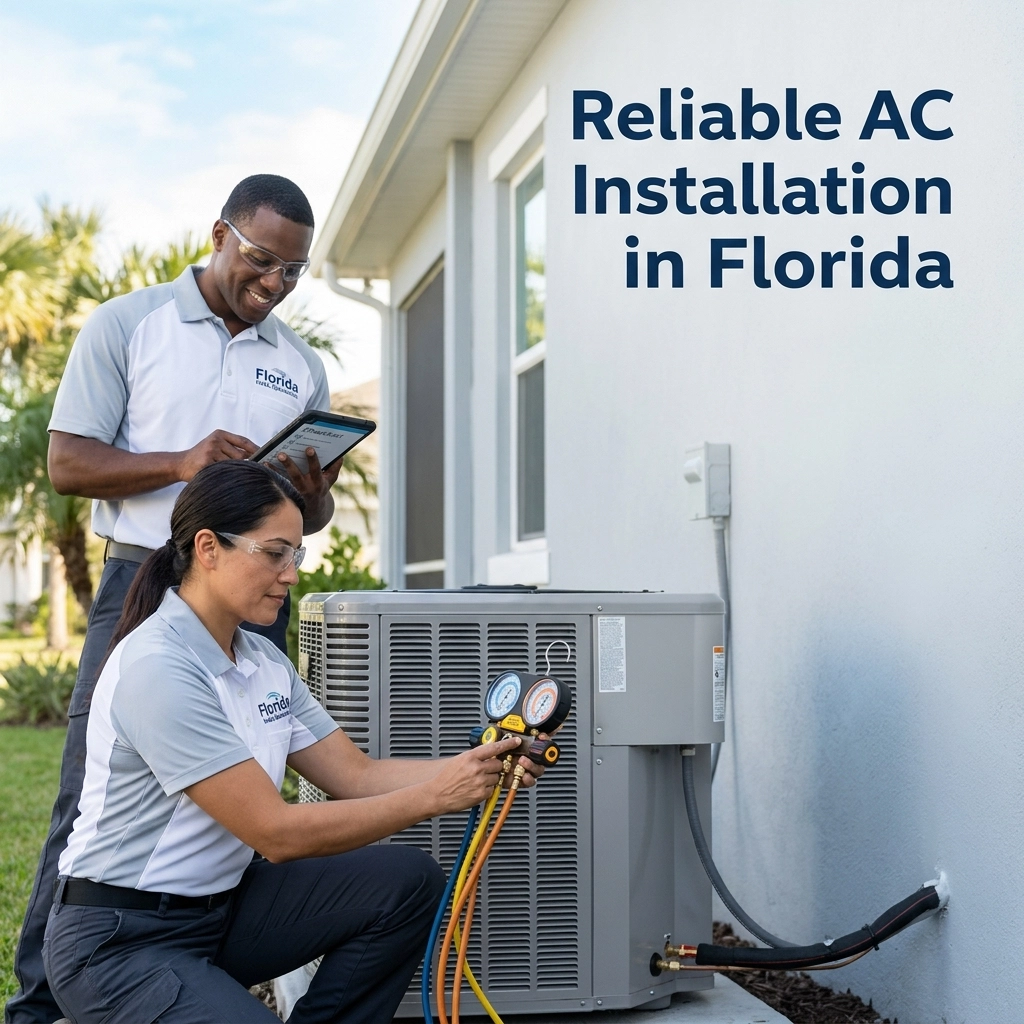
Living in Florida means your air conditioner isn't just a luxury; it’s a survival tool. From the sweltering humidity of Miami to the heat waves in Orlando and the salt air of the Gulf Coast, our systems work harder than almost anywhere else in the country. However, many homeowners view ac installation florida as a simple "plug and play" transaction. They buy a unit, have someone hook it up, and hope for the best.
Unfortunately, a bad installation can lead to a 30% increase in your energy bills and a system that dies five years earlier than it should. At Florida HVAC Specialists, we see the aftermath of these mistakes every day through our emergency ac repair calls. If you're looking to save money and stay cool, you need to avoid these seven common pitfalls.
1. Choosing the Wrong Size (The "Bigger is Better" Myth)
The most frequent mistake we see is homeowners insisting on a larger unit than they actually need. In most industries, bigger is better. In HVAC, it’s a recipe for disaster. An oversized unit will cool your home very quickly and then shut off. This is called "short-cycling."
In Florida, the AC’s secondary job is removing humidity. If the unit only runs for 10 minutes because it’s too powerful, it never gets the chance to pull the moisture out of the air. You’re left with a home that is cold but "clammy," leading to potential mold growth and high energy spikes. Conversely, an undersized unit will run 24/7, leading to a massive ac replacement cost florida sooner than expected because the compressor burned out.
The Fix: Demand a Manual J Load Calculation. This isn't a guess based on square footage; it accounts for your home’s insulation, window orientation, and local Florida climate data. It ensures your ac installation florida is perfectly tailored to your specific footprint.
2. Reusing Old, Leaky Ductwork
Imagine buying a brand-new, high-efficiency engine for a car but leaving the old, clogged exhaust pipe and a leaking fuel line. That is exactly what happens when you install a high-SEER2 air conditioner but connect it to 20-year-old ducts.
Florida attics can reach 150 degrees. If your ducts have even small cracks, you are essentially trying to air condition your attic. This forces the new unit to work overtime, negating any "efficiency" you paid for. Furthermore, old ducts often require ductwork repair or resizing to handle the airflow requirements of modern high-efficiency blowers.
The Fix: Before committing to an installation, have a professional perform a duct leakage test. If your ducts are losing more than 10% of their air, you should include duct sealing or replacement in your budget. You can learn more about the costs involved in our ultimate guide to ac replacement cost florida.

3. Ignoring Florida’s Strict Permitting and Code Requirements
Some "trunk-and-chuck" contractors might offer you a "deal" that doesn't involve a permit. In Florida, this is a massive red flag. State codes are incredibly strict regarding wind-load requirements (to ensure your outdoor unit doesn't fly away during a hurricane) and energy efficiency.
If you skip the permit, you may face fines from the municipality, but more importantly, you might have trouble selling your home later. Home inspectors in Florida are eagle-eyed when it comes to unpermitted HVAC work. Additionally, without a permit and the subsequent inspection, you have no third-party verification that the job was done safely.
The Fix: Always verify that your contractor is pulling a permit. At Florida HVAC Specialists, we handle the bureaucracy for you. If you're curious about what goes into this process, check out our article on 10 things you should know about local permits.
4. Poor Placement of the Thermostat and Outdoor Unit
Where you put your equipment matters as much as what equipment you buy. We often find thermostats placed in hallways directly under a supply vent or on a wall that gets direct afternoon sun. This causes the thermostat to "think" the house is colder or hotter than it actually is, leading to constant cycling.
The outdoor unit (the condenser) also needs room to breathe. Crowding it with landscaping or placing it in a spot where it gets beat down by the sun all day reduces its ability to shed heat. If it can't shed heat, it can't cool your house.
The Fix: Ensure your thermostat is on an interior wall, away from drafts and direct sunlight. For the outdoor unit, maintain at least 24 inches of clear space around the perimeter and avoid placing it directly under a low-hanging roof eave where rain runoff can damage the fins. Proper placement is a core part of proactive hvac maintenance florida.

5. Failing to Address "Refrigerant Charge" and Leaks
A brand-new system shouldn't have a refrigerant leak repair issue, right? In a perfect world, no. But in the real world, improper brazing (joining the copper lines) during installation can create tiny pinhole leaks. If the technician doesn't use a nitrogen purge while brazing, or if they don't pull a proper vacuum to remove moisture from the lines, the system is compromised from day one.
Moisture inside a refrigerant line creates acid, which eats the compressor from the inside out. If your brand-new system needs air conditioning repair near me within the first year, it’s almost always due to a botched installation process rather than a factory defect.
The Fix: Ask your installer if they use a micron gauge to verify the vacuum and if they perform a "triple evacuation" process. This is the gold standard for ensuring a clean, dry, and leak-free system.
6. Overlooking Heat Pump Technology
Many Floridians are used to the traditional "straight cool" AC with electric heat strips. However, with rising energy costs, sticking to old technology is a mistake. A heat pump installation florida is often the much smarter financial move.
Heat pumps are incredibly efficient at both cooling and providing the mild heating we need during the few weeks of Florida winter. Modern heat pumps are not like the ones from the 1980s; they are whisper-quiet and can save you hundreds of dollars a year on the heating portion of your electric bill compared to electric heat strips.
The Fix: Ask for a comparison quote. Compare the ac replacement cost florida for a standard unit versus a high-efficiency heat pump. Often, the tax credits and utility rebates available for heat pumps make the price difference negligible. Read our comparison of heat pumps vs standard AC units for more details.

7. Hiring Based on the Lowest Price Alone
We get it: an AC is a big investment. It’s tempting to go with the guy who gives you a quote that is $2,000 lower than everyone else. But in the HVAC world, you truly get what you pay for. That "cheap" quote often comes from someone who isn't licensed, isn't insured, won't pull permits, and won't be there when your system breaks down on a Sunday afternoon.
Poorly installed systems are the primary cause of early hvac repair florida calls. When you factor in the cost of repairs, the shortened lifespan of the unit, and the higher monthly power bills, the "cheap" installation ends up being the most expensive mistake you can make.
The Fix: Look for established companies with a history of 24-hour response times and positive local reviews. A reputable company will provide a detailed, written estimate and offer a labor warranty that they actually have the staff to honor. Don't get ripped off: check out our guide on finding reliable ac repair in florida.

How Proper Installation Saves You Money
When you avoid these seven mistakes, the financial benefits are immediate. A correctly installed system:
- Reduces Monthly Bills: Proper sizing and duct sealing can drop your cooling costs by 20–30%.
- Extends System Life: A unit that doesn't short-cycle or struggle with airflow can last 12–15 years instead of dying at age 8.
- Avoids "Emergency" Fees: Most emergency ac repair calls in the first three years of a unit's life are due to installation errors (like clogged drain lines or poor electrical connections).
- Protects Your Warranty: Manufacturers can void your parts warranty if the system wasn't installed by a licensed professional according to their specific guidelines.
Summary Checklist for Your Next AC Installation
Before you sign a contract, ensure these steps are taken:
- Manual J Load Calc: To get the right size.
- Duct Inspection: To ensure your air isn't leaking into the attic.
- Permit Verification: To stay legal and safe.
- Drainage Check: Ensure the primary and secondary drain lines are properly sloped and have "float switches" to prevent floods.
- Refrigerant Verification: Ensure the charge is set by subcooling or superheat methods, not just "by feel."
Florida’s climate is unforgiving. Whether you need a simple hvac maintenance florida checkup or a full system overhaul, doing it right the first time is the only way to protect your wallet and your comfort.
Note: HVAC requirements and permits vary by Florida jurisdiction. Always consult your local authorities or a licensed Florida HVAC professional.
Ready to upgrade your home’s comfort without the headaches?
Routine HVAC maintenance with a licensed Florida HVAC contractor can improve performance and reduce energy costs. Florida HVAC Specialists can help you stay comfortable and compliant with local codes year-round. From refrigerant leak repair to full heat pump installation florida, our team is ready to serve you with 24-hour response times across the state.